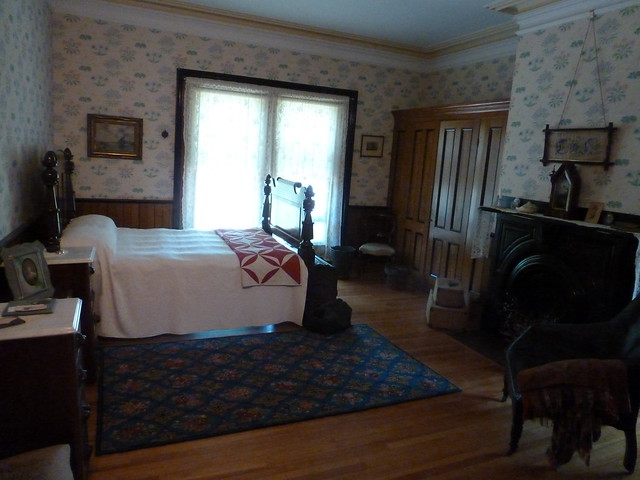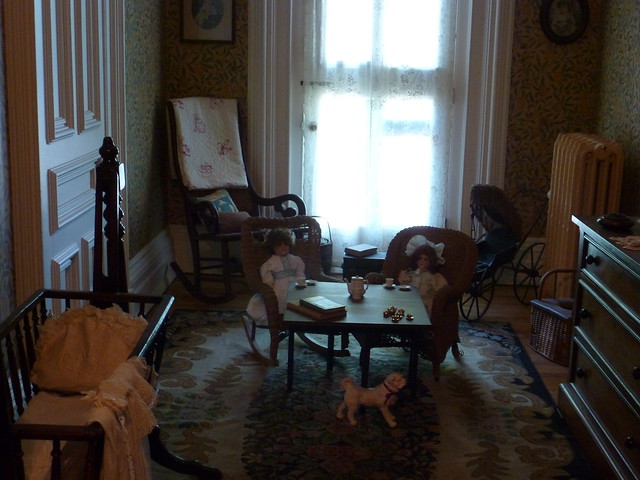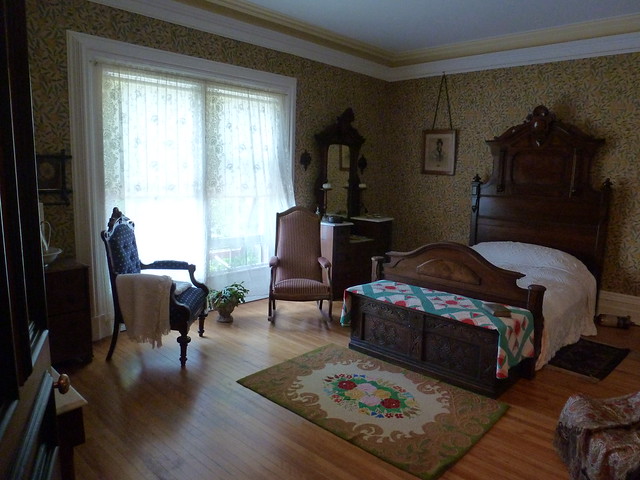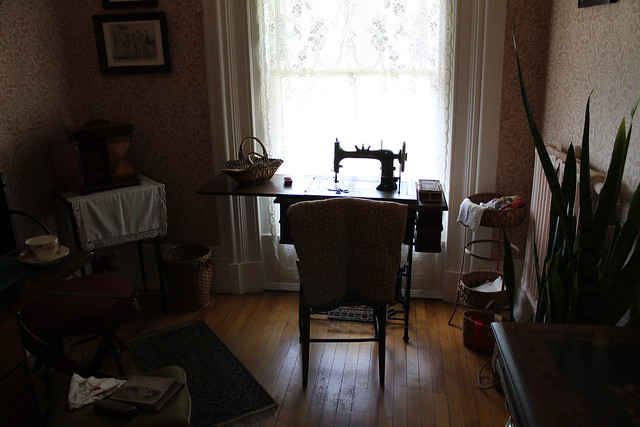
**We began this series back in August, 2014 but life - oh, crazy, crazy life! - took over and finishing it went woefully neglected for over a year. Well, we're back now and ready to resume the chronicle of our (last) summer vacation adventures. Better late than never, eh?! If you missed the previous posts in the series recounting our PEI 2014 trip, you can find them here and here.**
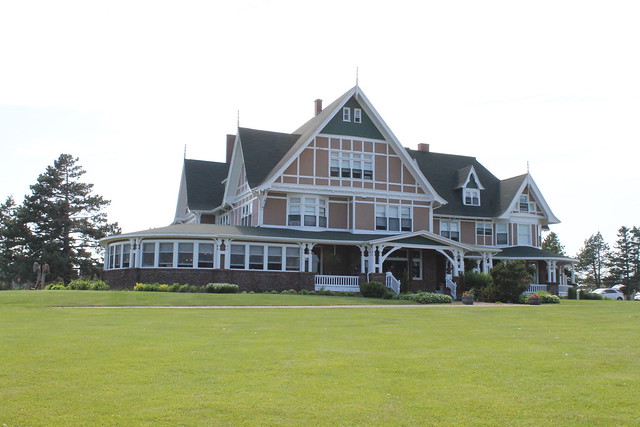
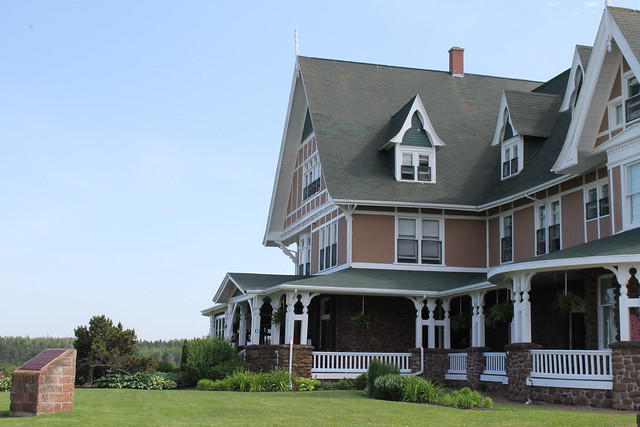
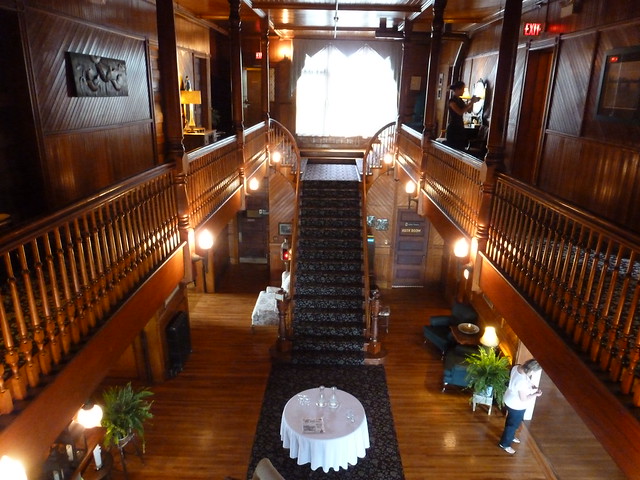
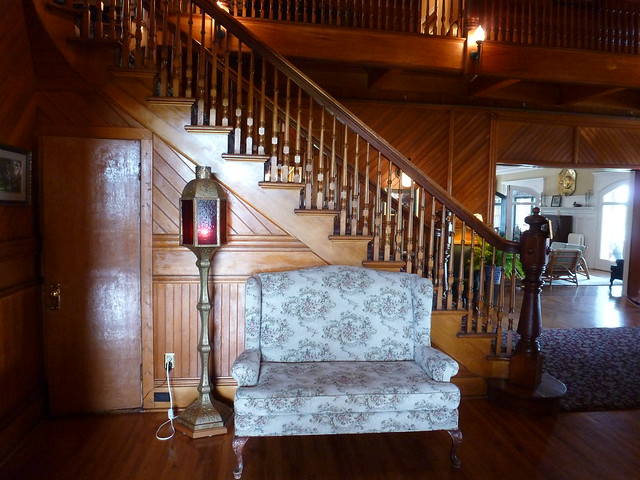
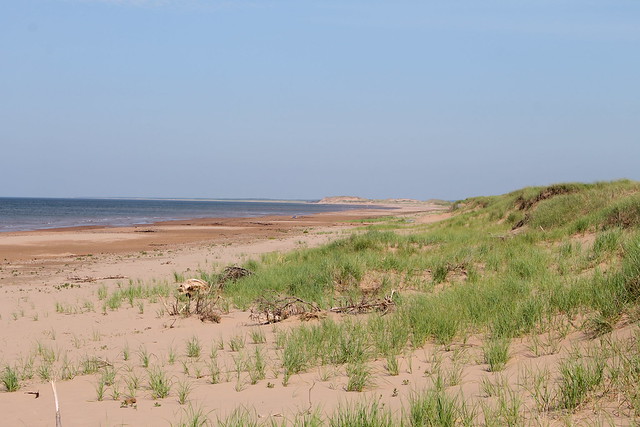
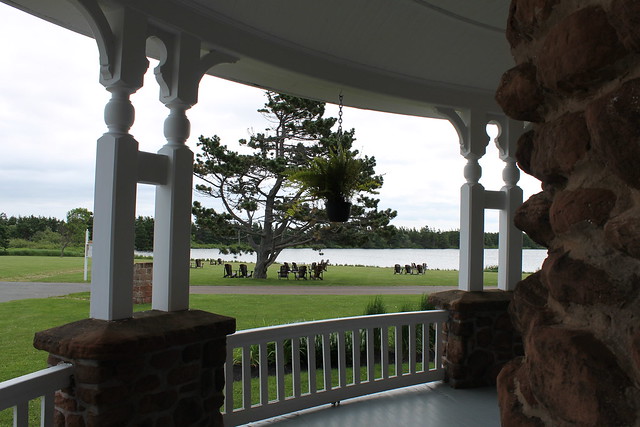
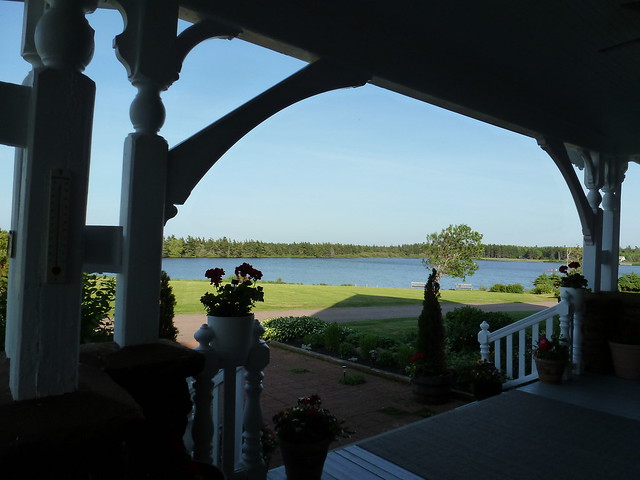
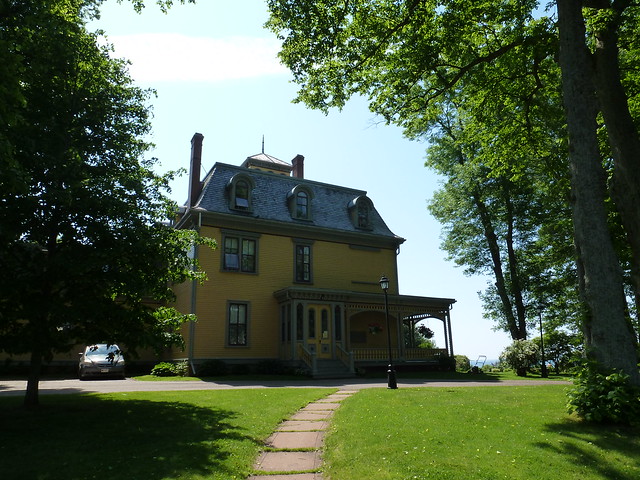
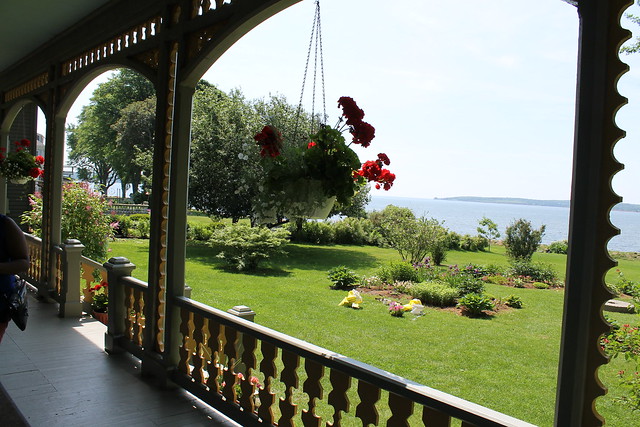
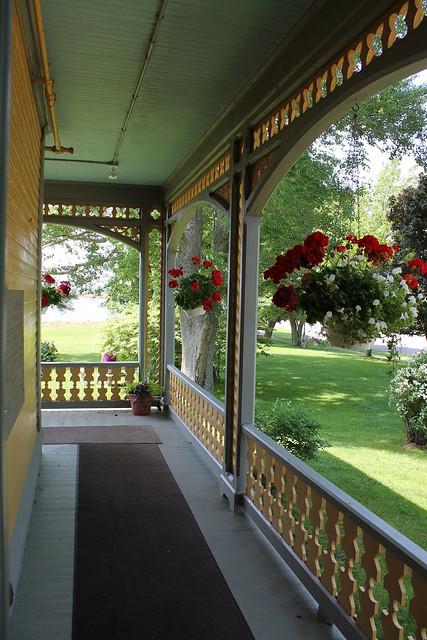
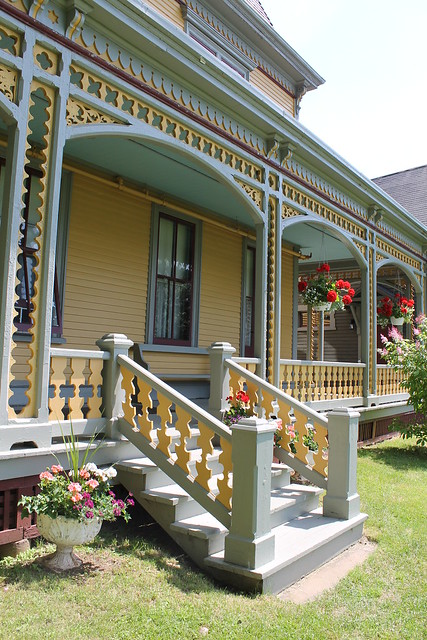
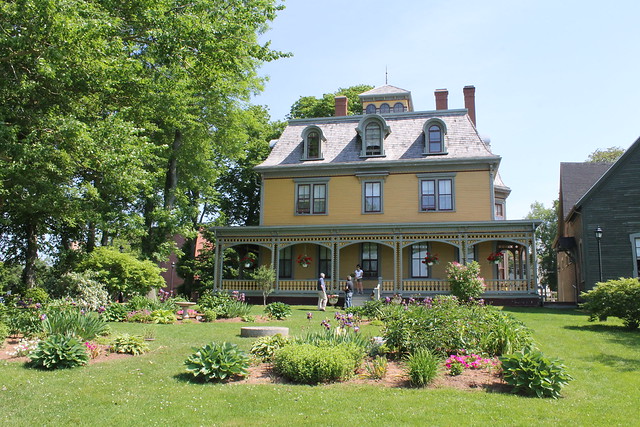
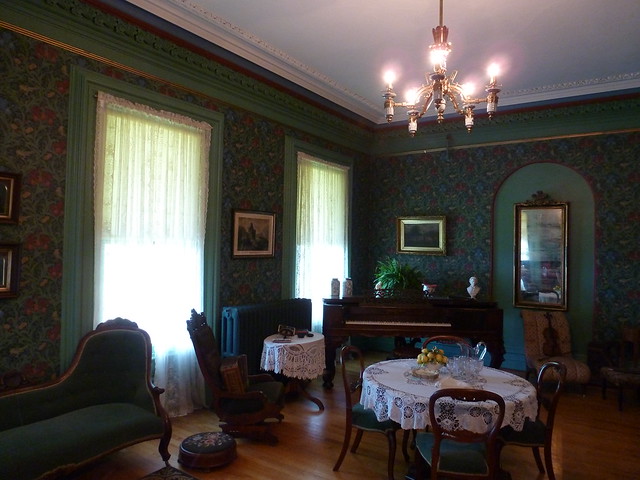
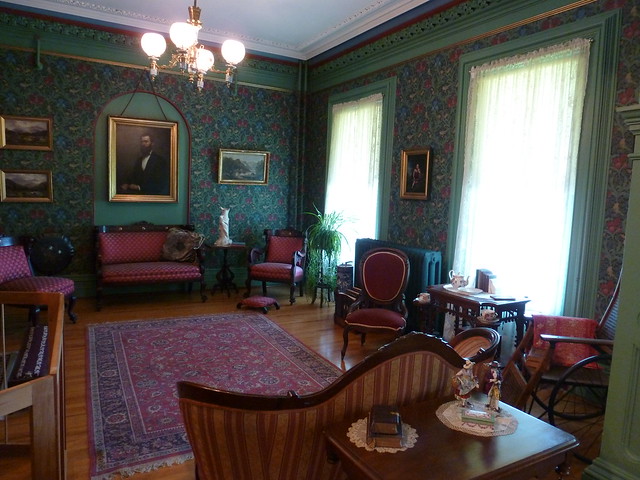
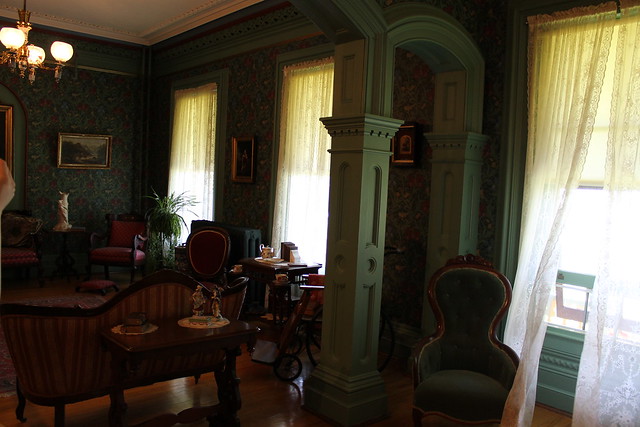
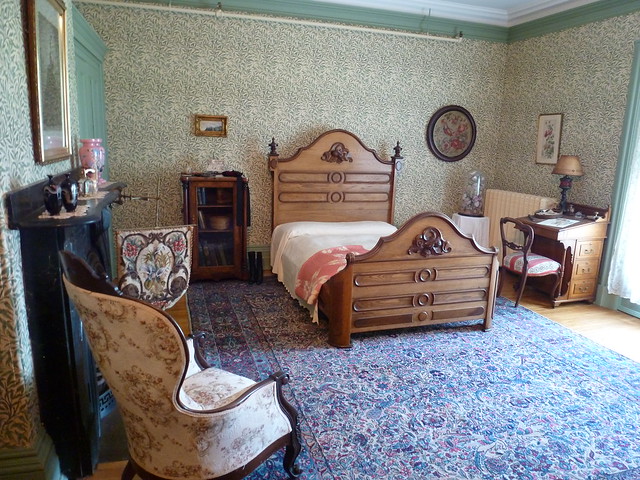
It isn't often that you can actually stay at a place that has both hosted royalty and been featured in some of your favorite movies and tv series, but Dalvay-By-the-Sea is one of those unique places. Best known as the "White Sands Hotel" in the Sullivan Anne of Green Gables movies and on the Road to Avonlea series, historic Dalvay is owned by Parks Canada and operated as a small summer hotel and restaurant. It is located on Prince Edward Island's beautiful north shore, within the boundaries of Prince Edward Island National Park, which means that the shoreline on which it sits, along with all of the surrounding area, is protected from development, keeping it pristine and looking just like one imagines it must have looked back when the beautiful mansion was built.
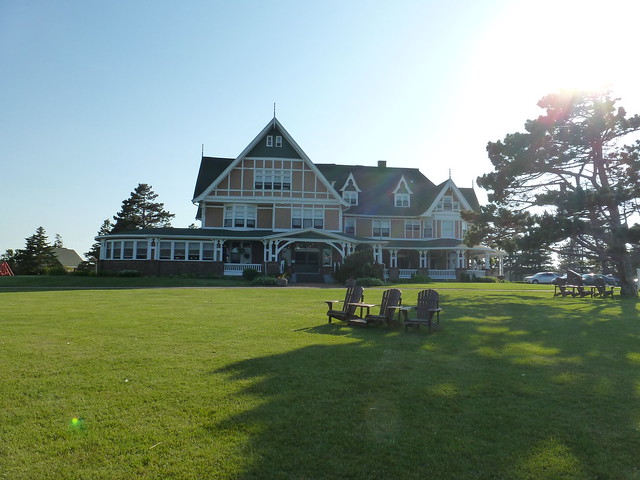
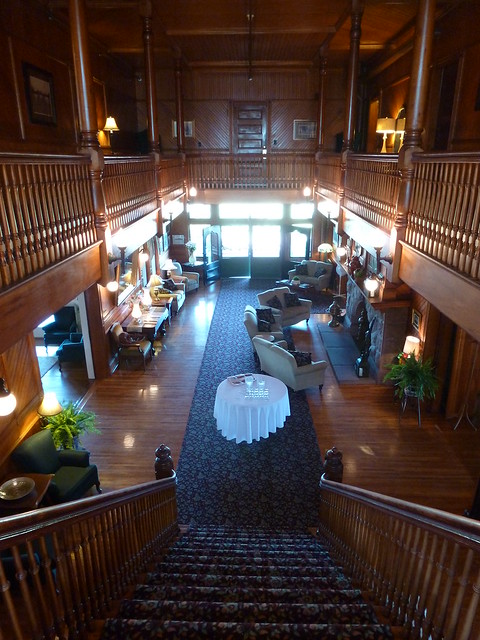
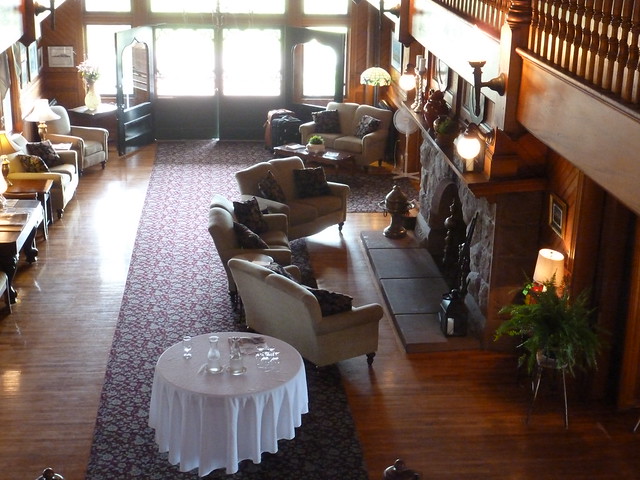
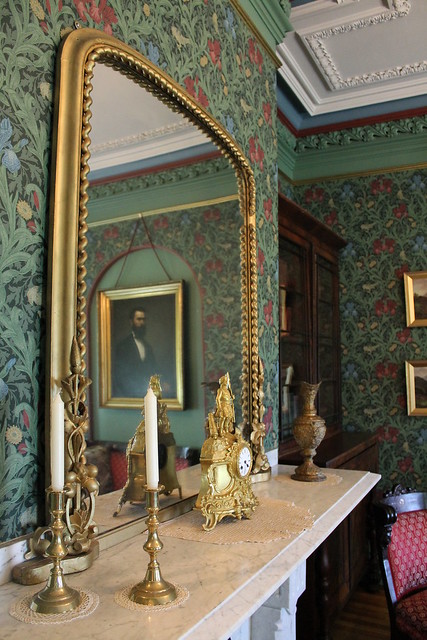
The mansion was built in the Queen Anne Revival style, almost entirely out of locally-sourced materials. The exterior facade and the interior fireplaces, for instance, are all local sandstone, retaining that beautifully distinctive red tint for which PEI soil is so famous.
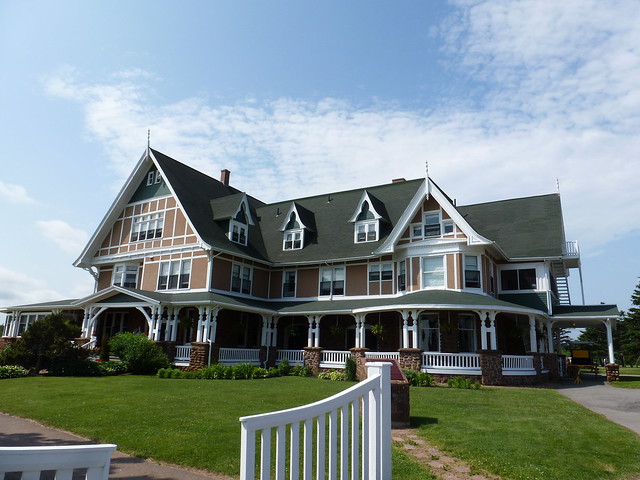
Dalvay-By-the-Sea's story is a fascinating (and rather sad) tale of an American oil fortune, two high society beauties, and fallen European royalty. The mansion house was built in 1895-6 by wealthy American businessman Alexander MacDonald, who once served as president of John D. Rockerfeller's Standard Oil Company. MacDonald was born in Scotland, and PEI immediately impressed him with its charm, natural beauty, and nostalgic reminders of his homeland. On his first visit to the Island, he purchased 120 acres of land on the north shore on which to build a summer retreat for his family, christening it "Dalvay" in memory of his boyhood home of the same name. Annual costs to maintain the summer home were reportedly upwards of $10,000 a year. Much of this went to maintain a large household and groundskeeping staff, who were always on hand to serve not just the family, but the ever-increasing flow of guests who helped to make Dalvay's summer parties so legendary.
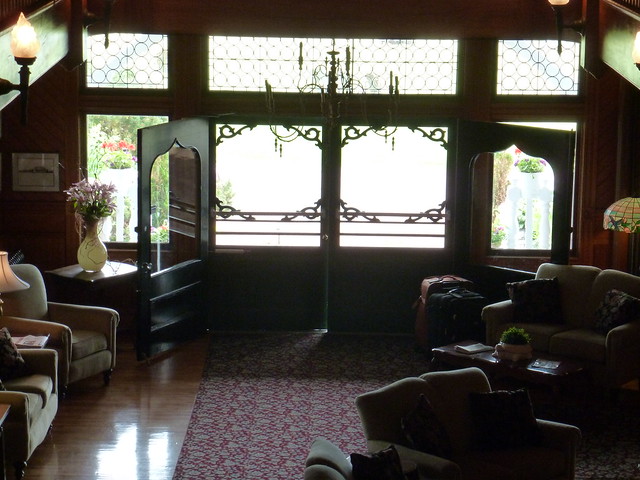
MacDonald's only daughter died young, leaving him to raise his two granddaughters, Helena and Laura. The family enjoyed a number of happy summers on the property until 1910, when MacDonald passed away, leaving the house in trust to his two beloved granddaughters. Their $15 million inheritance reportedly elevated them to two of the wealthiest young heiresses in pre-WWI worldwide high society. Both girls made socially brilliant marriages as a result of their new status: Helena married Prince Murat of France, while sister Laura married Italian Prince Rosspiglioisi.
Their massive family fortune remained legally under the management of their father, however, and sadly, poor investments on his part all too quickly decimated the family funds. Both girls were divorced by their respective spouses after they lost their fortunes. Laura moved to NY and worked for the remainder of her life to support her two children, and penniless Helena passed away at only 38 from cancer.
With Laura no longer capable of maintaining the vast and remote estate, Dalvay had to be sold. It passed through a number of hands (at one point, house, furniture, and land were all sold to the caretaker for a mere $486.57, the cost of the back taxes) until 1937, when George Deblois purchased it and then sold the house and property to the Canadian government to be integrated into the newly-established Prince Edward Island National Park. The house itself is also a Classified Federal Heritage Building.
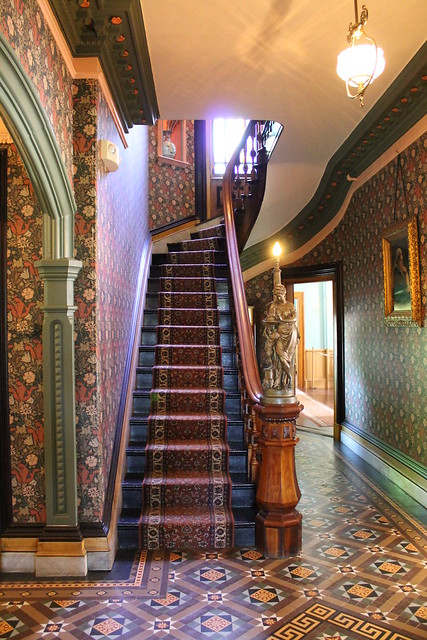
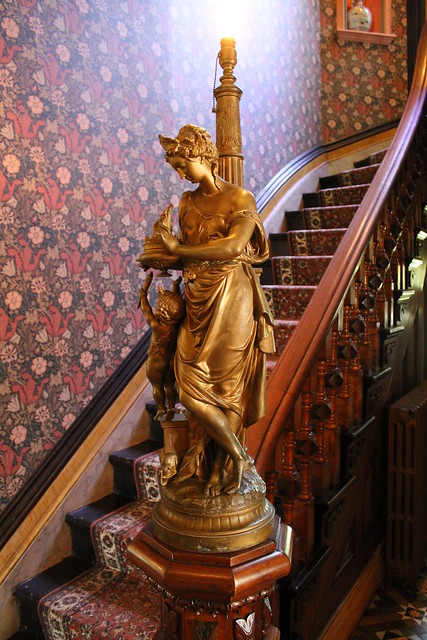
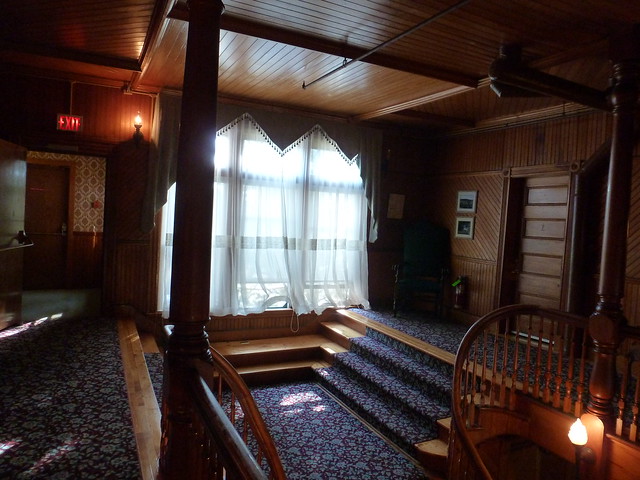
Dalvay's official history and gallery pages have some really neat historical photographs, if you're interested in seeing what the house and grounds looked like in their heyday around the turn of the century. Not much has changed, comparatively, and today, images like these of Dalvay in days past are displayed throughout the hotel, so you really get a sense that you're standing in history just by being there. The lobby also has several large albums available for guests to peruse that are chock-full of photos and press clippings chronicling every aspect of the estate's life and times.
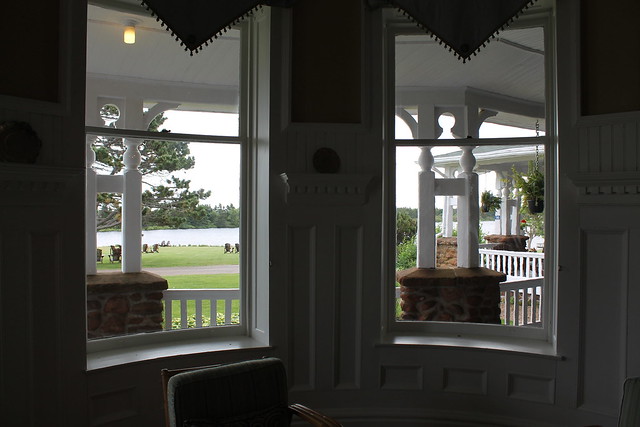
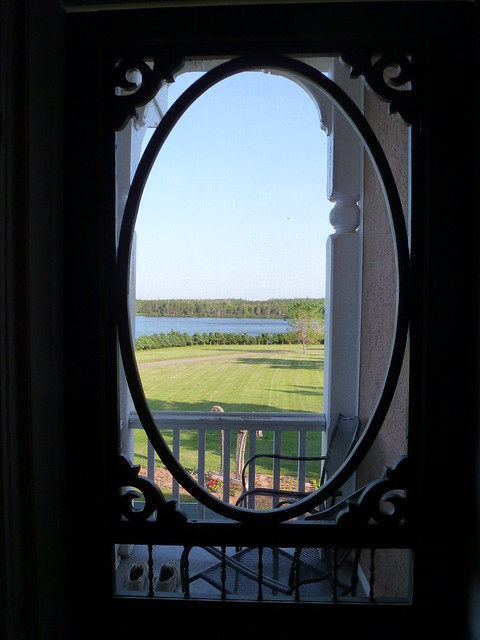
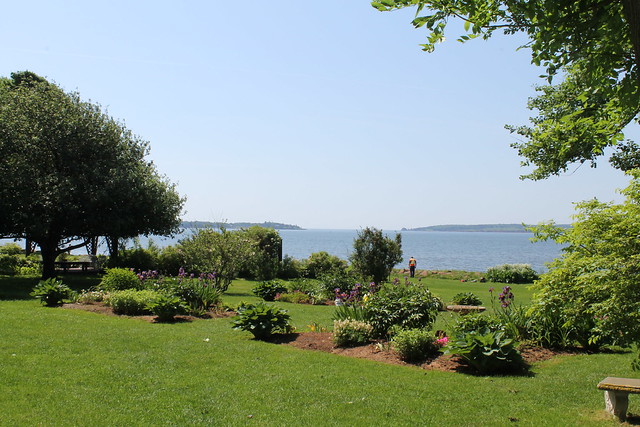
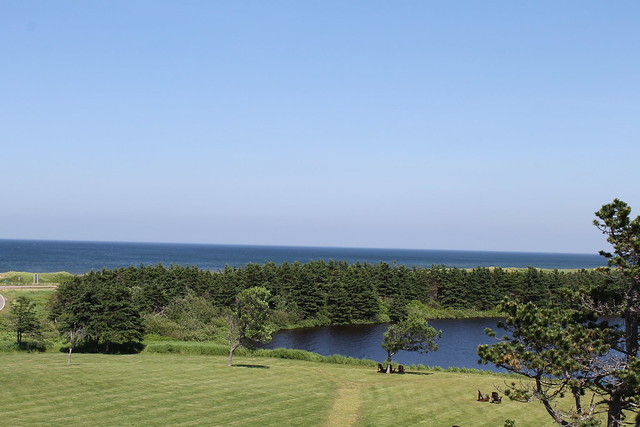
On their tour of Canada in 2011 not long after their wedding, Prince William and Kate visited PEI for several days and stayed overnight at Dalvay. Not a bad honeymoon spot, with views like these from your window every morning!
We had grand plans to make ourselves full 1908-1914 wardrobes for this trip (1908 because it's the year Anne of Green Gables was published and 1914 because, well, it seemed the sensible pre-war fashion end date and it was 2014, so...). All of our source and citation material was compiled and all of the fabric, hats, parasols, shoes, and other materials were acquired and I had started cutting...and sewing...and sewing...and got as far as finishing one hat, (almost) both corsets, and cutting out both of our combinations. And that was it. *sigh*
In other words, of course, we bit off way more than we could chew, forgetting how difficult and time-consuming it always is to research and then build an entire outfit from the skin out when you're dealing with an era that's entirely new to you. So all that dreaming about lounging on the porch of Dalvay sipping tea in a broad-brimmed hat loaded with flowers...and all that scheming about lawn bowling in the shadow of the hotel dressed in 1909 lingerie dresses...yeah. Didn't happen. Oh well. I guess there's just going to have to be a "next time" to take care of all that unfinished business. Not that we need an excuse, mind you... ;-) Anyone else up for a costumed frolick across PEI?!
So in the meantime, here's to dreaming ourselves back in time...
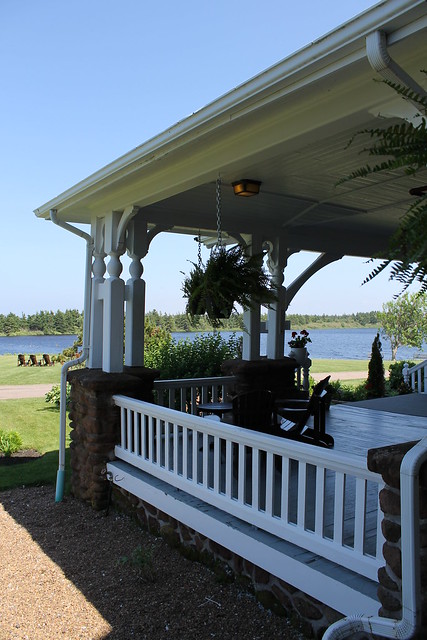
Additional photos can be found in our PEI 2014 album on flickr.
If you're interested in staying at Dalvay, the hotel offers 25 guest rooms within the main mansion house, along with eight three-bedroom cottages on the lakeside. Both inn and restaurant are open seasonally from June through October. Reservations can be made by visiting their website.
Showing posts with label Prince Edward Island. Show all posts
Saturday, October 10, 2015
Tuesday, August 26, 2014
The Prince Edward Island Chronicles, Part I: Historic Charlottetown and Beaconsfield Historic House Museum
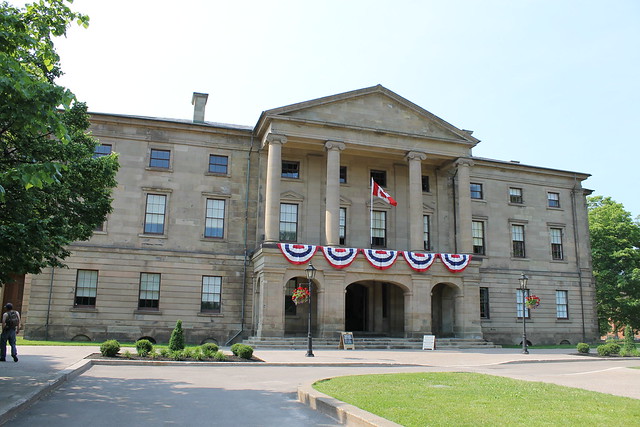
Charlottetown, the capitol city of the province of Prince Edward Island, is known as the birthplace of the Confederation of Canada. Throughout this year (2014), the Island is celebrating the 150th anniversary of the Charlottetown Conference, which marked the beginnings of discussions that led to the Canadian union. During the first week of September in 1864, representatives from the British colonies of New Brunswick, Nova Scotia, and PEI, along with delegates from the Province of Canada (which would later be divided into present-day Quebec and Ontario) met at Province House in Charlottetown to discuss a confederation or unification of the individual provinces. Two subsequent meetings followed over the next three years, the end result of which was the British North America Act of 1867, which formally created the autonomous union of the Dominion of Canada.
Province House, Charlottetown, PEI
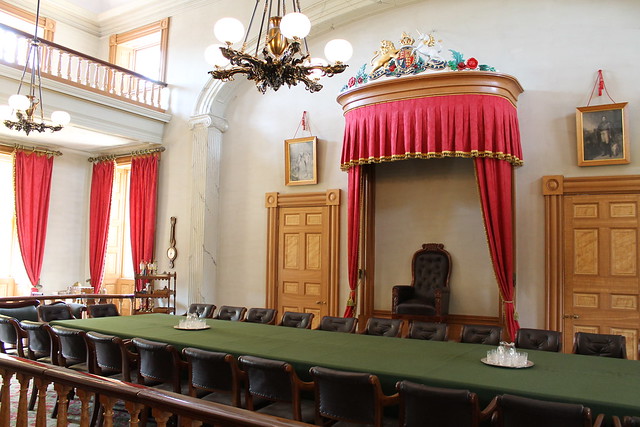
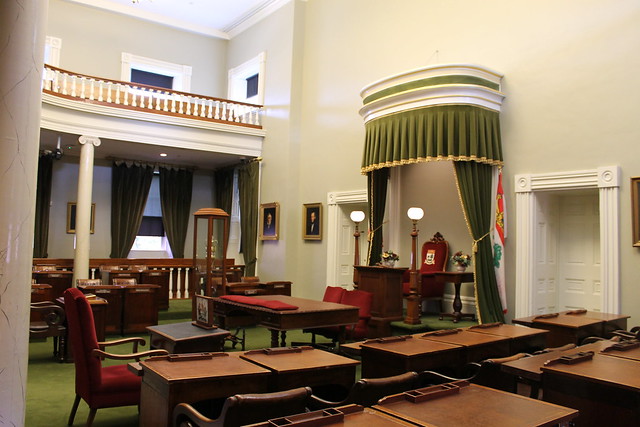
Province House, the center of the legislative government of Prince Edward Island, is now a National Historic Landmark operated by Parks Canada and has been restored to its 1864 appearance to commemorate its crucial formative role in initiating both the Canadian union and the peaceful achievement of Canadian independence.
Province House, Charlottetown, PEI
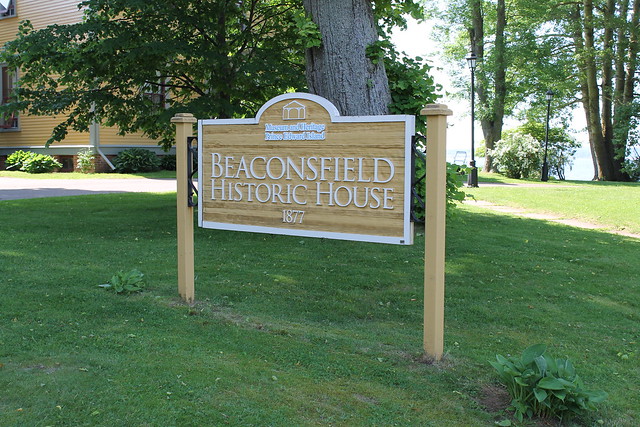
The city of Charlottetown retains much of its nineteenth-century appearance, and one of its architectural crown jewels is Beaconsfield Historic House, a 25-room Italianate mansion now owned and maintained by the PEI Museum and Heritage Foundation.
Constructed in 1877 for James and Edith Peake, the elegant home sits on west side of the city on a waterfront piece of property that commands an incredible view of the city's harbor. It is believed that its name was an homage to British Prime Minster Benjamin Disraeli, the first Earl of Beaconsfield.
Beaconsfield Historic House Museum, Charlottetown, PEI
James Peake was a highly successful merchant and shipowner, and his wife's father (one of the "Fathers of Confederation") was named Lt. Governor of the Island a couple of years after James and Edith finished construction on Beaconsfield. Both the family and the house thus served eminent and highly visible functions in the social world of Victorian Charlottetown, playing host to fashionably grand gatherings and parties, with guests including Princess Louise, the daughter of Queen Victoria.
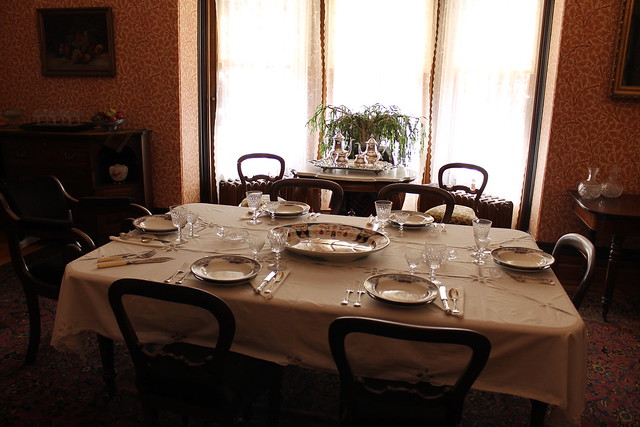
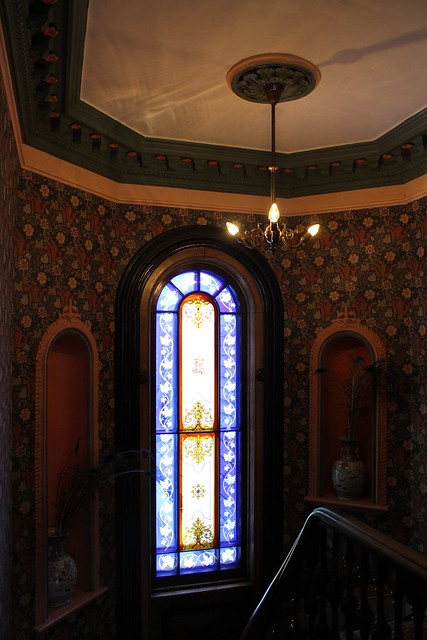
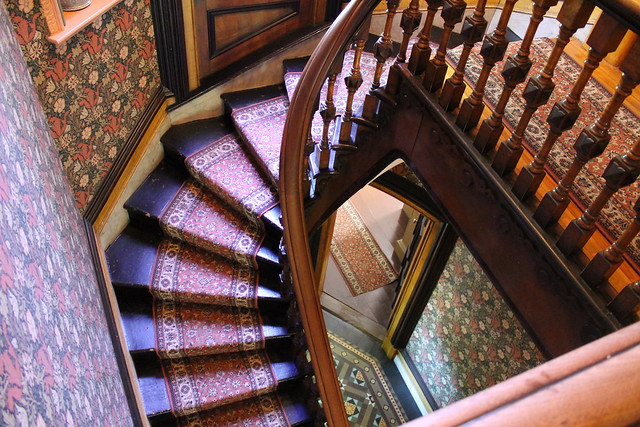
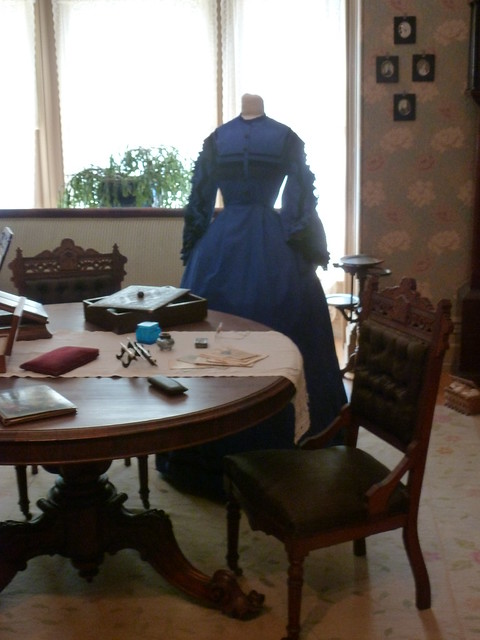
As "the most luxurious and expensive private residence on the Island," Beaconsfield featured a number of modern conveniences, like running water and gas lighting, The ceilings are decorated with elaborate plasterwork and the house's grand fireplaces, formal staircase, and stunning stained glass windows has all been painstakingly restored, providing a glimpse into the fashionable elegance and grandeur that distinguished the house to all who visited it.
A decline in fortune compelled the Peakes to sell the house in 1883, only five years after they had moved in. The property was purchased by Henry Cundall, who, with his two sisters, called Beaconsfield home until the end of their lives. Cundall obviously thought highly of his sisters and their accomplishments, for his 1916 will stipulated that the house was to be used as a residence for young professional women. Over the years, it served as both a YWCA and a residence for nurses working at the city's hospital. The property came into the hands of the PEI Museum and Heritage Foundation in 1973, and fully restored and opened as a museum twenty years later.
We first visited Beaconsfield the summer after the house was opened as a museum, in 1994, and made a point of returning on this trip, twenty years later. With even more appreciation now all these years later for the house's fascinating history and its architectural beauty, we thoroughly enjoyed our tour and highly recommend a visit to anyone who might find themselves in Charlottetown in the future!
For more information on Beaconsfield, take a look at:
- PEI Museum and Heritage Foundation's Beaconsfield page for information on visiting the property.
- This fantastic historical overview by
- The City of Charlottetown's Beaconsfield's summary, which includes a picture of the Peakes and a historical picture of Beaconsfield in its Victorian heyday.
Friday, April 20, 2012
In the Footsteps of L.M. Montgomery on Prince Edward Island
For those of you who have been anxiously anticipating more sewing projects, please rest assured that a whole host of them are forthcoming in the next few weeks! We're very excited about them all and are looking forward to sharing them with you. But in the meantime...
As I mentioned in the previous post, we visited Prince Edward Island three times in the 1990s, primarily because our entire family (even our dad!) adores Anne of Green Gables and we were all interested in seeing the place that inspired it. Needless to say, after the first trip, we fell thoroughly in love with the Island and its people and it irresistibly drew us back a couple more times. Lately, we've been discussing our mutual desire to return at some point in the future, and we brought out the old photo albums to reminisce and wallow in our very fond memories. Here's a brief photo summary of some of the L.M. Montgomery historic sites we visited, interspersed with a couple of random Island views, to complement our previous post. Enjoy!
This is the small house in New London (once called Clifton) where Lucy Maud was born on 30 November 1874. The tiny upstairs bedroom interprets the event, with a cradle placed at the foot of the bed. Also featured in this house museum are some of Maud's many and fascinating scrapbooks and her wedding ensemble.
When Maud's mother died a couple of years after the birth of her child, Hugh John Montgomery sent his baby daughter to live with her maternal grandparents, the Macneills, in Cavendish, on the north shore of PEI. Their homestead - the house where Anne of Green Gables was written - sadly no longer stands, but the foundation has been preserved and is open to the public.
Down a winding, tree-canopied path, across the road, and through "The Haunted Woods" (yes, these are the woods that inspired the ones in the book!)...
...is Green Gables house, which was the home of Maud's grandfather's cousins, brother and sister David and Margaret Macneill.
Parks Canada acquired the property in 1937 and restored it to its turn-of-the-century appearance. Each room has been staged to interpret an aspect of Anne's Green Gables, from the dining room...
...to Anne's room (note the "puffed sleeves" dress and the carpet bag!)...
...to Marilla's practically plain bedroom, complete with amethyst broach on the dresser...
...to Matthew's room...
The house also contains some Montgomery artifacts, including the typewriter on which Maud prepared Anne of Green Gables for publication.
In 1897, Maud left the cozy Cavendish community that she loved and went to teach for a year in Lower Bedeque. The one-room schoolhouse in which she taught still stands and has been restored to its appearance during Maud's tenure there. The house where she boarded, which was just across the street, has unfortunately disappeared.
One of LMM's favorite places on the Island was the home of her Campbell cousins at Park Corner. The house has come to be known as "Silver Bush," after the novel it inspired.
Maud stayed here often in this upstairs bedroom...
...and was married in the house's parlor, in front of the fireplace, in 1911.
The house remains in the Campbell family (incredibly lovely people to chat with) and is full of family heirlooms, including the Crazy Quilt that Maud and her cousins made, which is a truly stunning piece of work.
The manuscript of Anne of Green Gables is owned by the Confederation Centre of the Arts in Charlottetown and is frequently on display. We were fortunate enough to catch it featured in two different LMM exhibits during our trips.
And of course, any pilgrimage in homage of LMM would not be complete without a visit to her final resting place in Cavendish, nearby the old Macneill property. Maud and her husband Ewan are buried together, right next to Maud's mother, Clara Macneill Montgomery, and her grandparents Alexander and Lucy Woolner Macneill.
Of course, there are many other gorgeous views to be seen around the Island, some Montgomery-related, like Dalvay by the Sea, which you might recognize as the "White Sands Hotel" of the TV Avonlea (and yes, it really is a hotel)...
...and some not-so-directly Montgomery related, but one can easily imagine them as views that the authoress herself could easily have seen and relished, like the picturesque West Point Lighthouse against the famous Island red sands (the lighthouse serves as a restaurant and inn, in addition to being a functional lighthouse, and was our absolute favorite place that we stayed)...
...and the typical, very lovely farms that define the landscape of this magical place.
Beautiful fields of lupines splash brilliant colors across the Island's landscapes.
As I mentioned in the previous post, we visited Prince Edward Island three times in the 1990s, primarily because our entire family (even our dad!) adores Anne of Green Gables and we were all interested in seeing the place that inspired it. Needless to say, after the first trip, we fell thoroughly in love with the Island and its people and it irresistibly drew us back a couple more times. Lately, we've been discussing our mutual desire to return at some point in the future, and we brought out the old photo albums to reminisce and wallow in our very fond memories. Here's a brief photo summary of some of the L.M. Montgomery historic sites we visited, interspersed with a couple of random Island views, to complement our previous post. Enjoy!
This is the small house in New London (once called Clifton) where Lucy Maud was born on 30 November 1874. The tiny upstairs bedroom interprets the event, with a cradle placed at the foot of the bed. Also featured in this house museum are some of Maud's many and fascinating scrapbooks and her wedding ensemble.
When Maud's mother died a couple of years after the birth of her child, Hugh John Montgomery sent his baby daughter to live with her maternal grandparents, the Macneills, in Cavendish, on the north shore of PEI. Their homestead - the house where Anne of Green Gables was written - sadly no longer stands, but the foundation has been preserved and is open to the public.
Down a winding, tree-canopied path, across the road, and through "The Haunted Woods" (yes, these are the woods that inspired the ones in the book!)...
...is Green Gables house, which was the home of Maud's grandfather's cousins, brother and sister David and Margaret Macneill.
Parks Canada acquired the property in 1937 and restored it to its turn-of-the-century appearance. Each room has been staged to interpret an aspect of Anne's Green Gables, from the dining room...
...to Anne's room (note the "puffed sleeves" dress and the carpet bag!)...
...to Marilla's practically plain bedroom, complete with amethyst broach on the dresser...
...to Matthew's room...
The house also contains some Montgomery artifacts, including the typewriter on which Maud prepared Anne of Green Gables for publication.
In 1897, Maud left the cozy Cavendish community that she loved and went to teach for a year in Lower Bedeque. The one-room schoolhouse in which she taught still stands and has been restored to its appearance during Maud's tenure there. The house where she boarded, which was just across the street, has unfortunately disappeared.
One of LMM's favorite places on the Island was the home of her Campbell cousins at Park Corner. The house has come to be known as "Silver Bush," after the novel it inspired.
Maud stayed here often in this upstairs bedroom...
...and was married in the house's parlor, in front of the fireplace, in 1911.
The house remains in the Campbell family (incredibly lovely people to chat with) and is full of family heirlooms, including the Crazy Quilt that Maud and her cousins made, which is a truly stunning piece of work.
The manuscript of Anne of Green Gables is owned by the Confederation Centre of the Arts in Charlottetown and is frequently on display. We were fortunate enough to catch it featured in two different LMM exhibits during our trips.
And of course, any pilgrimage in homage of LMM would not be complete without a visit to her final resting place in Cavendish, nearby the old Macneill property. Maud and her husband Ewan are buried together, right next to Maud's mother, Clara Macneill Montgomery, and her grandparents Alexander and Lucy Woolner Macneill.
Of course, there are many other gorgeous views to be seen around the Island, some Montgomery-related, like Dalvay by the Sea, which you might recognize as the "White Sands Hotel" of the TV Avonlea (and yes, it really is a hotel)...
...and some not-so-directly Montgomery related, but one can easily imagine them as views that the authoress herself could easily have seen and relished, like the picturesque West Point Lighthouse against the famous Island red sands (the lighthouse serves as a restaurant and inn, in addition to being a functional lighthouse, and was our absolute favorite place that we stayed)...
...and the typical, very lovely farms that define the landscape of this magical place.
Subscribe to:
Posts (Atom)